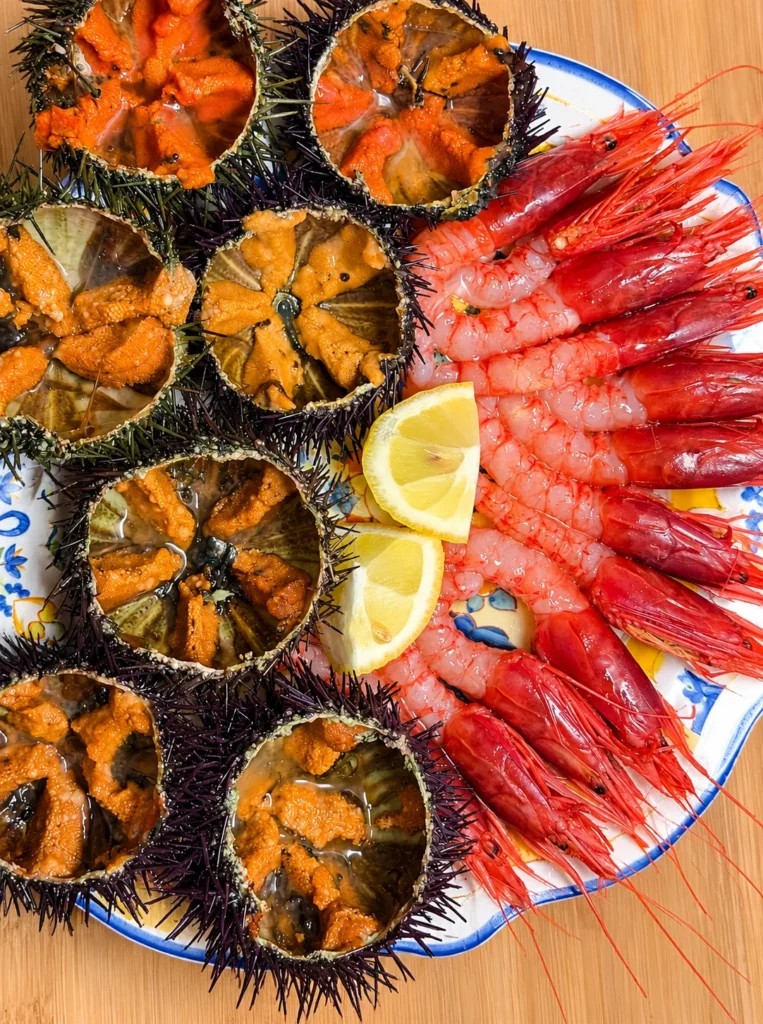
Gambero Rosso
Red shrimp is one of the icons of Sicilian cuisine. It’s caught at depths of 500–700 metres, in cold, dark waters, and is already a deep red while still raw — the colour most shrimp only get after cooking.
Read more
Red shrimp is one of the icons of Sicilian cuisine. It’s caught at depths of 500–700 metres, in cold, dark waters, and is already a deep red while still raw — the colour most shrimp only get after cooking.
Read more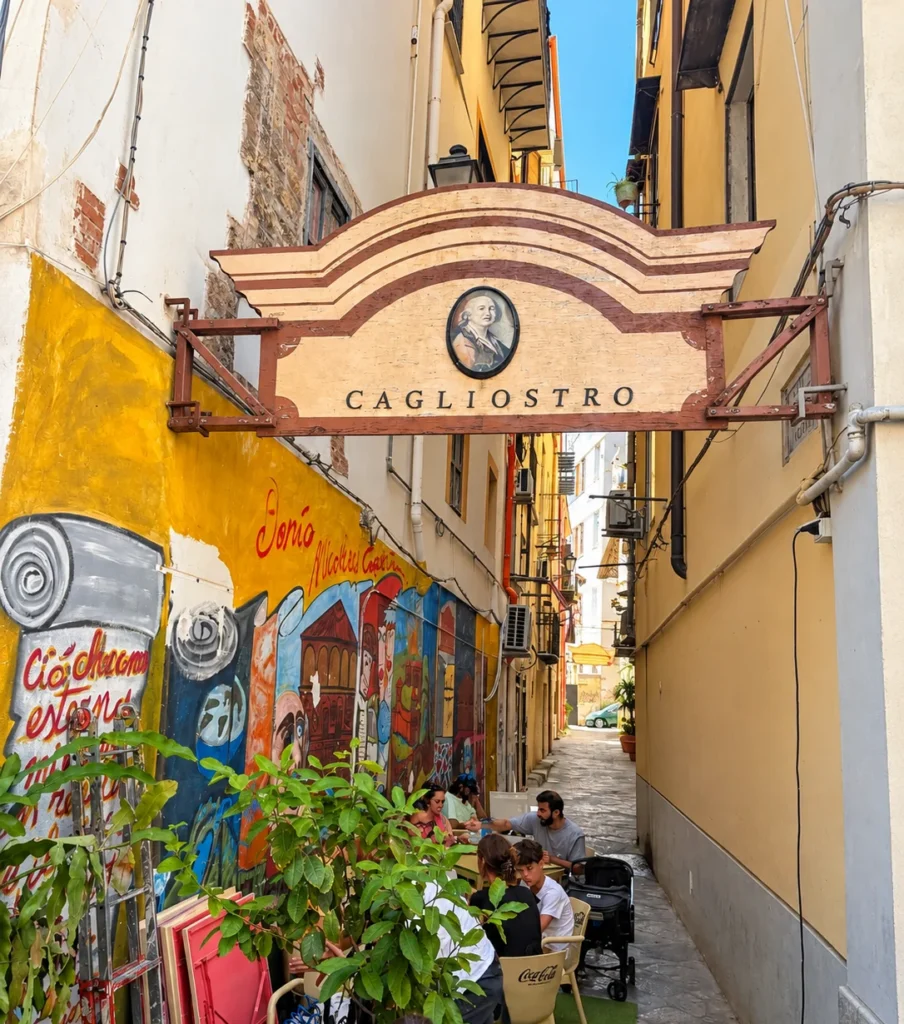
At the very beginning of Ballarò Market, there’s a tiny alley named after one of the most mysterious people ever born in Palermo — Count Cagliostro. A great adventurer, a brilliant con man, an alchemist, a healer, or simply someone who knew how to tell a convincing story.
Read more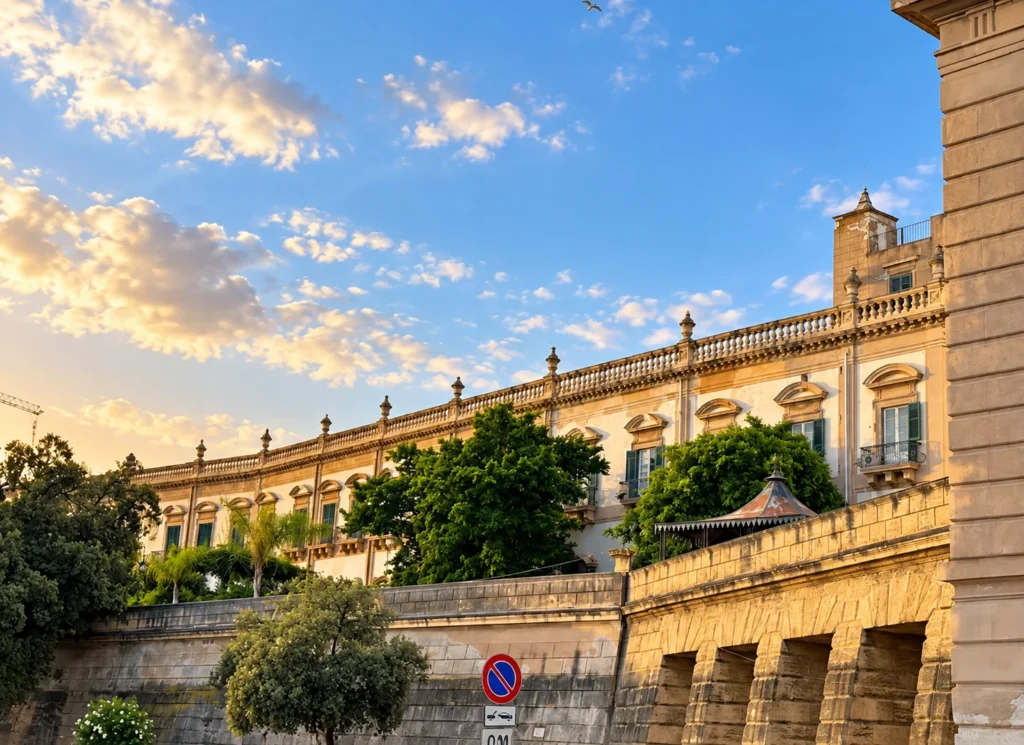
Passeggiata delle Cattive means “the prisoners’ promenade.” This long terrace above the Foro Italico was once created especially for widows — women considered “prisoners” of mourning, who were not supposed to enjoy the usual pleasures of life.
Read more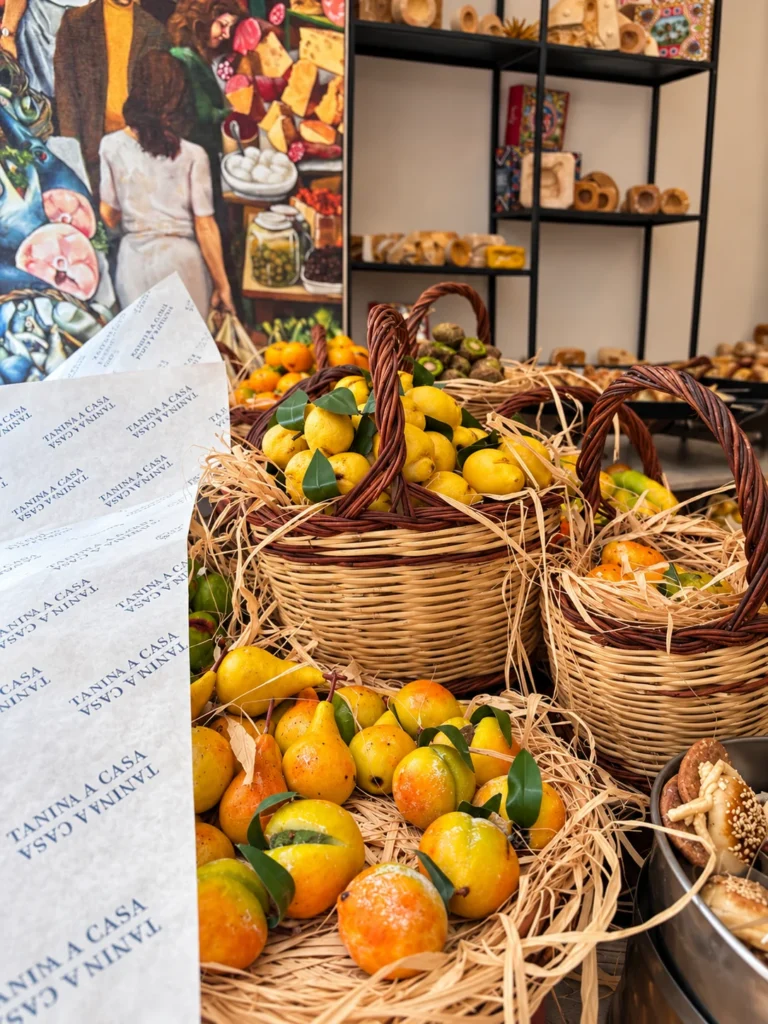
According to legend, the famous Martorana fruits were born thanks to an empty autumn garden. An important guest was coming, but the monastery’s trees had already lost their fruit, so the nuns made new ones from almonds and honey, painted them and hung them from the branches.
Read more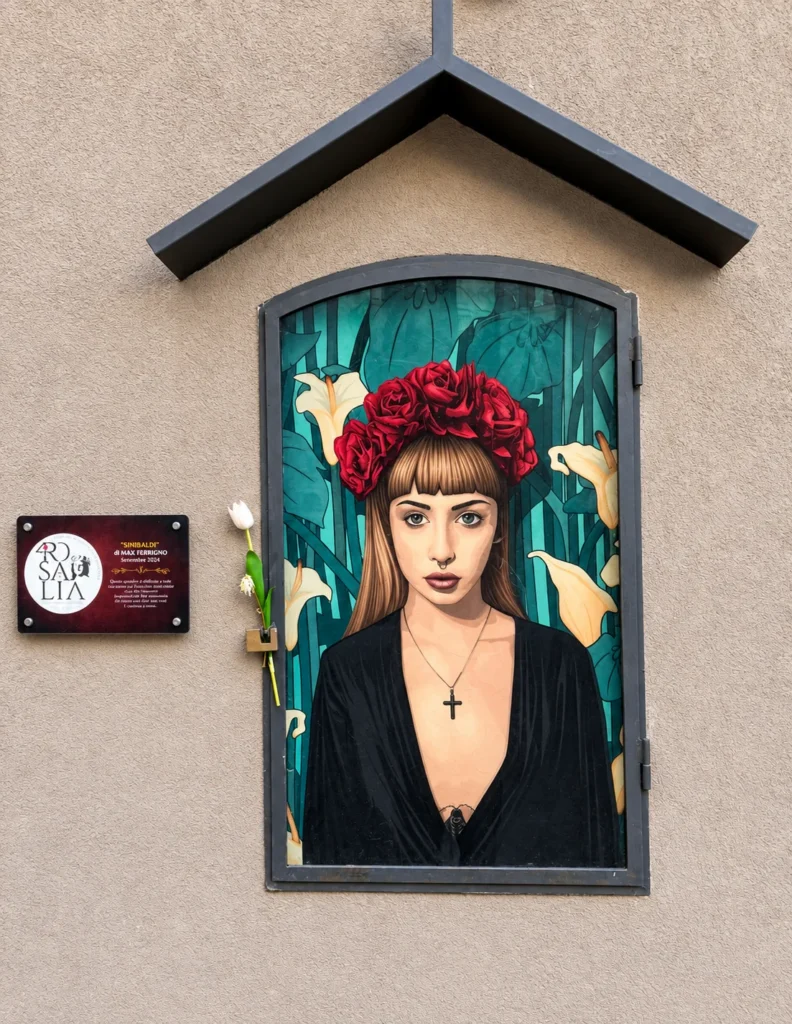
Santa Rosalia, or la Santuzza as we affectionately call her, became the patron saint of Palermo after the plague in the 17th century. According to legend, her remains were found in a cave on Monte Pellegrino, where Rosalia had spent eight years in prayer.
Read more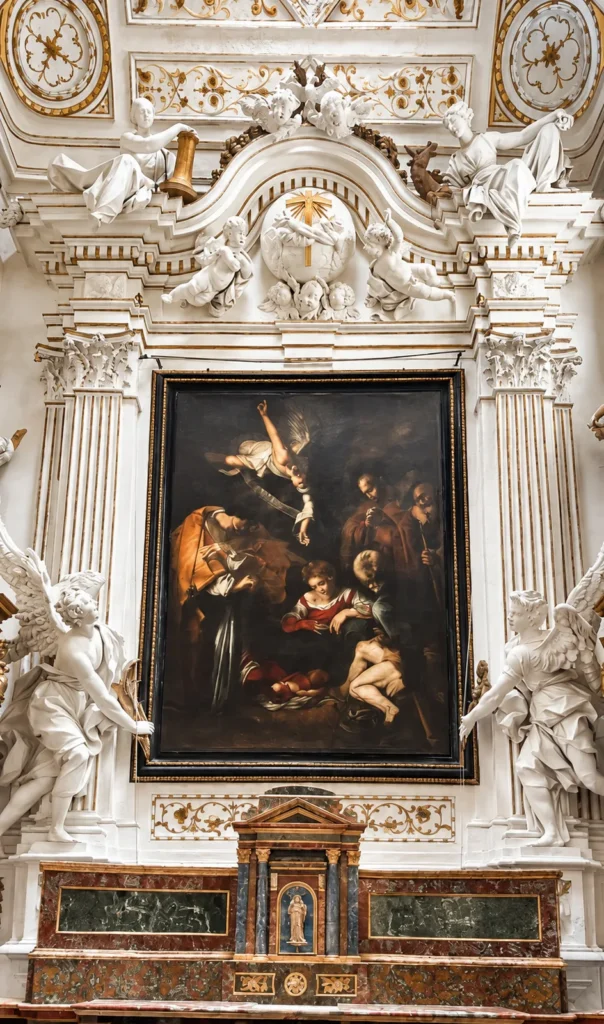
In 1969, a Caravaggio measuring 2.7 by 2 metres was stolen from the Oratorio di San Lorenzo. The thieves cut the painting out of its frame, loaded it onto an Ape and drove away. No one knows for certain what happened next: theories range from a Mafia commission to the painting being cut into pieces, or even damaged by rats and pigs.
Read more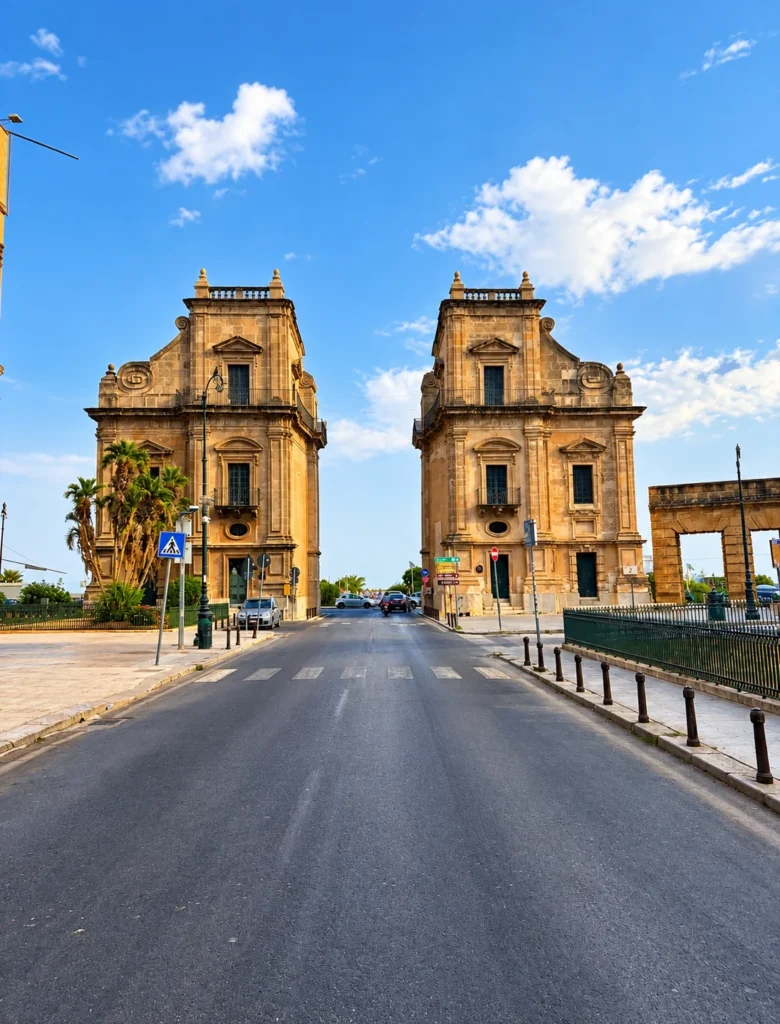
Porta Felice has no traditional arch across the top, and there’s a favourite Palermo story about why. In the 18th century, people jokingly called the gate i corna a luna — “horns under the moon.” Nearby was the seafront, where aristocrats loved taking evening walks, including romantic ones. So people joked that the top had deliberately been left open so that cheated husbands could enter the city without catching their horns on the arch.
Read more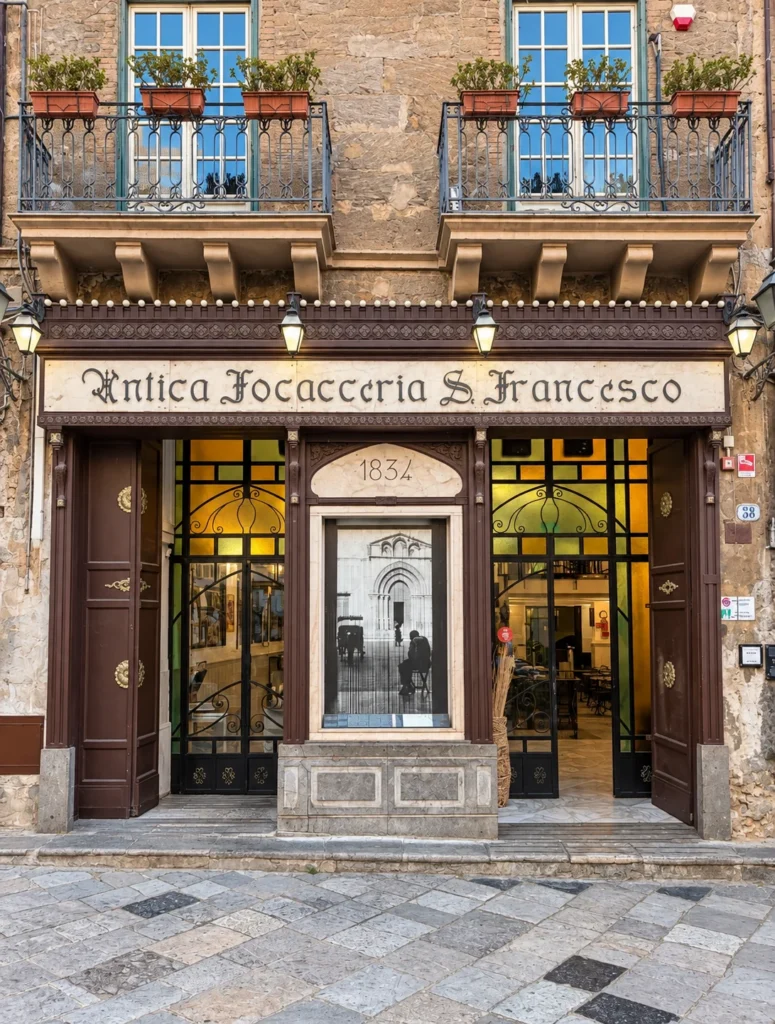
Antica Focacceria San Francesco was the first place to serve Palermo street food in a restaurant setting. About 150 years ago, a court chef was given part of an old palazzo and opened a restaurant serving local Palermo food.
Read more